Tips 23 Sep 2026 7 min read
Premium 91 or Super 95? Which Petrol Your Car Needs in Qatar
The naming confuses almost everyone who arrives in Qatar. Premium sounds like the good stuff; it is the cheaper one. Premium is 91 octane and Super is 95, and at the September 2026 QatarEnergy prices they are QR 2.00 and QR 2.10 a litre respectively, with diesel at QR 2.05. Ten dirhams a litre separates them. Whether that ten dirhams is money well spent or money thrown away depends on one thing only: what your engine was designed to run on.
Octane is not a quality rating
The most common misunderstanding at the pump is that a higher octane number means cleaner, stronger or more refined fuel. It does not. Octane measures one specific property: resistance to knock, which is the fuel igniting from compression before the spark plug fires. Engines with higher compression ratios, or with turbochargers or superchargers, squeeze the mixture harder and therefore need fuel that resists igniting early. That is the entire meaning of the number. It says nothing about detergents, nothing about cleanliness, and nothing about how much energy the fuel contains.
What happens if you use the wrong grade
Putting 95 into an engine designed for 91 does not add power, does not clean anything and does not extend engine life. The engine simply uses what it needs and the rest of the octane rating goes unused. The reverse matters far more. An engine that requires 95 and is fed 91 will knock, and a modern engine will detect that and retard the ignition timing to protect itself - which costs you power and fuel economy. That protection works, but it is not unlimited, and sustained heavy knock is how expensive components get damaged. One tank of the wrong grade in an emergency is survivable if you drive gently. A habit is not.
How to find out what your car needs
Check the inside of the fuel filler flap or the cap first - many cars print the minimum octane requirement right there, and it takes five seconds. If it is not there, the owner's manual will state it under fuel or specifications, usually as a minimum octane or RON figure. If you have neither, the franchised dealer can tell you from the VIN. Read the wording carefully, because required and recommended are different words. Required means the engine was designed around that grade. Recommended means the manufacturer prefers it, and the engine will adapt safely to a lower grade at a small cost in performance.
A rough guide by engine type
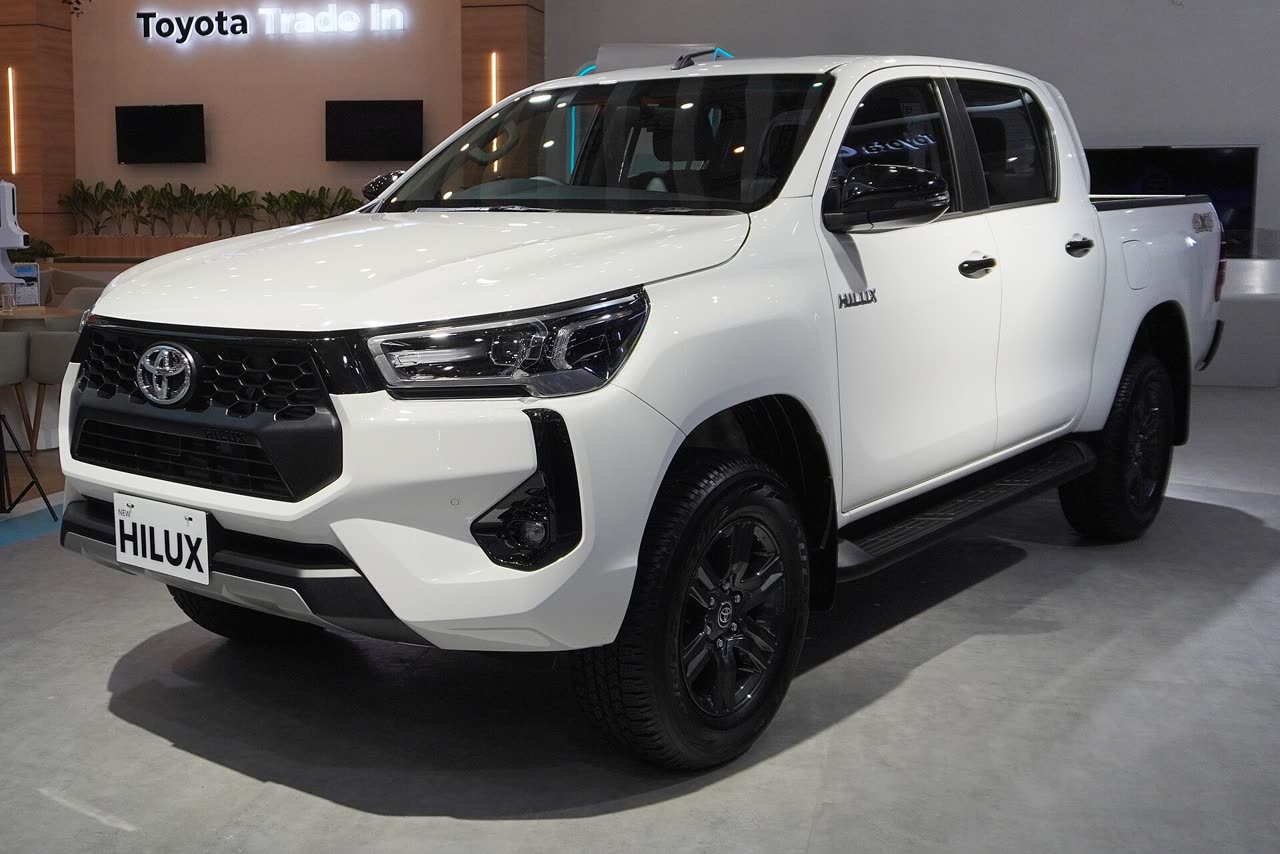
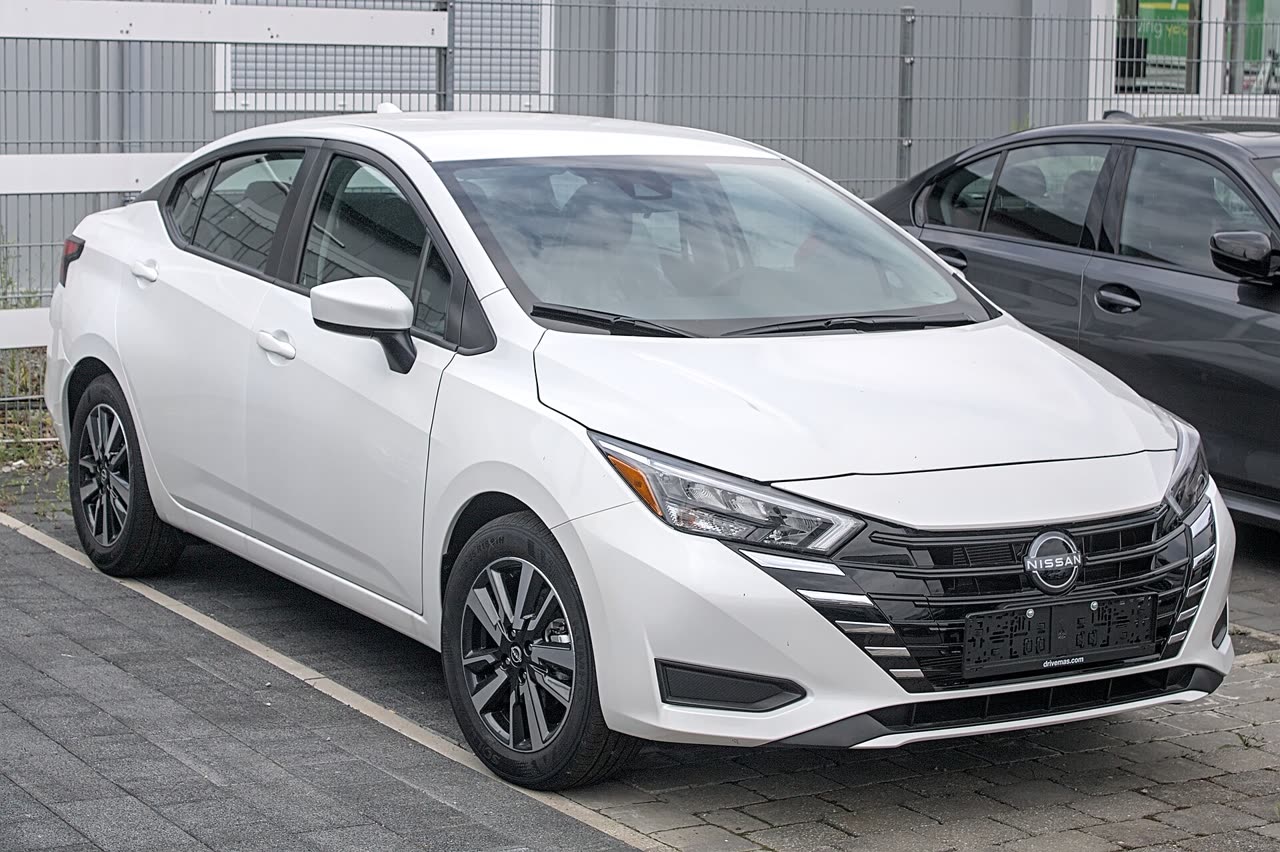
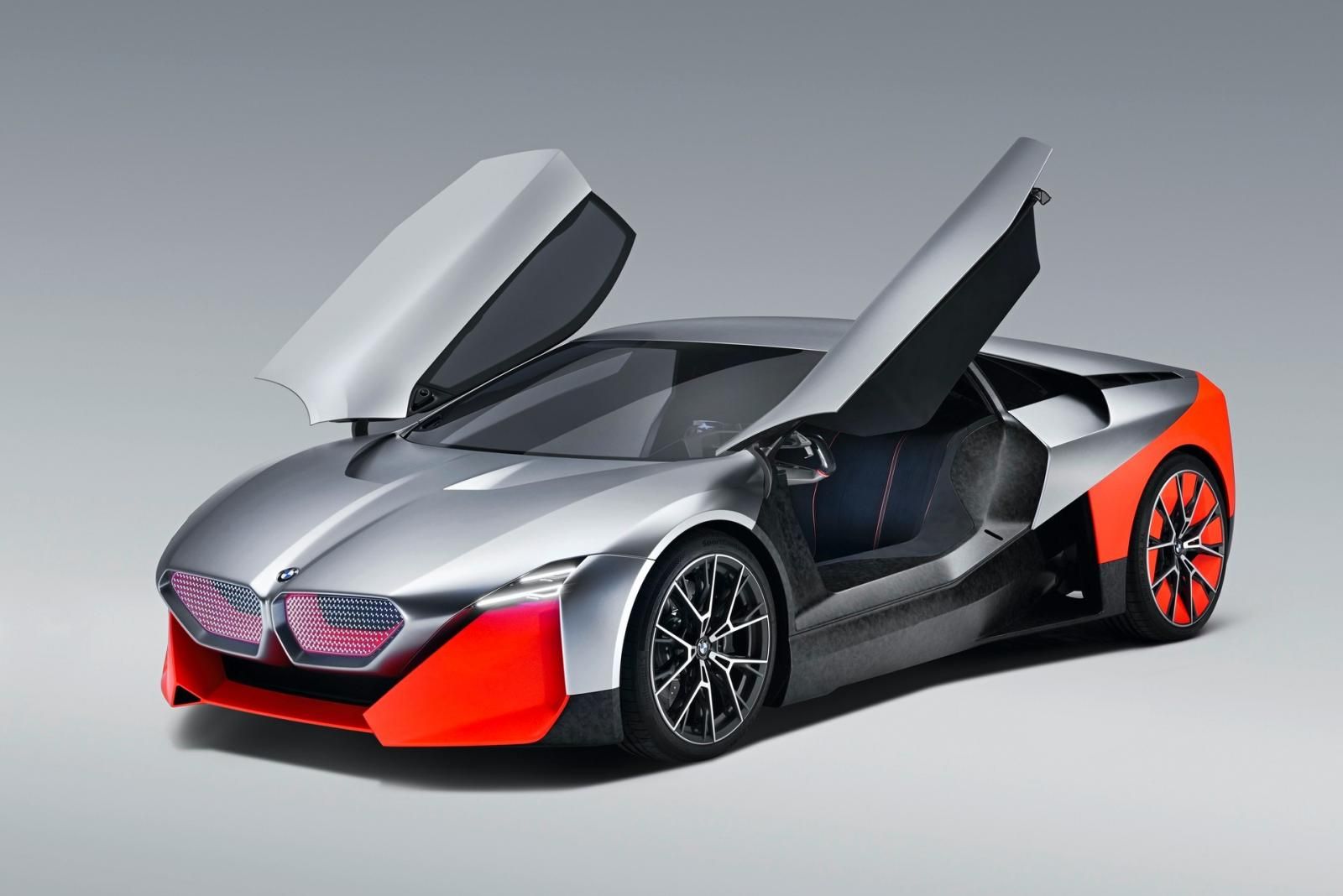
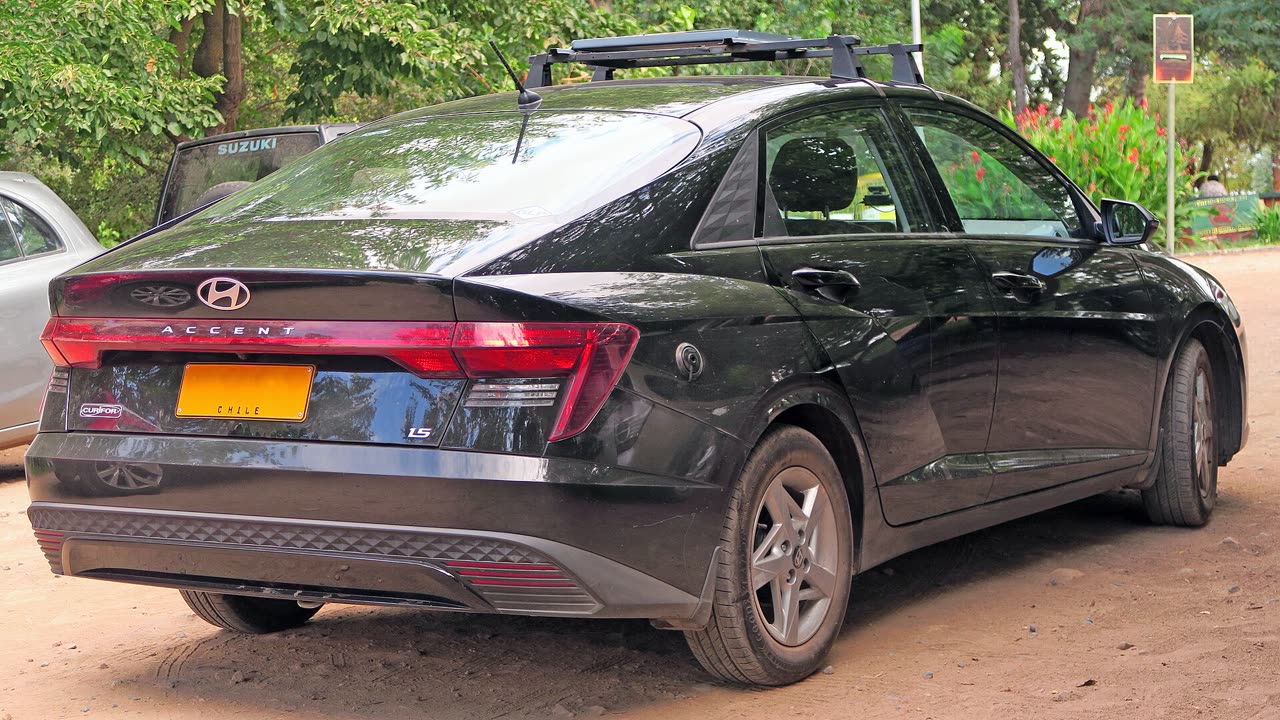
This orients you; your own manual decides. Naturally aspirated economy cars and small sedans are usually fine on 91. Most mainstream large sedans and family SUVs are specified for 91, with 95 sometimes recommended. Turbocharged petrol engines frequently require 95 or higher. Performance and sports models usually require 95 as a minimum and sometimes more. Large V8 pickups and full-size SUVs vary widely, so check the flap rather than assuming. Hybrids follow the specification of their petrol engine. Diesel vehicles take diesel and nothing else - and if petrol goes into a diesel tank, do not start the engine, because the fuel system will do the damage once it circulates.
What the difference actually costs you
Take a car covering 15,000 km a year at around 8 litres per 100 km, so roughly 1,200 litres. On Premium 91 at QR 2.00 that is QR 2,400 a year. On Super 95 at QR 2.10 it is QR 2,520. The difference is QR 120 over twelve months. If your engine requires 95, that is trivially worth paying and not a decision at all. If your engine is specified for 91, it is QR 120 spent on octane the engine cannot use. Scale it up to a large V8 covering 20,000 km - perhaps 3,000 litres - and the gap is around QR 300 a year. Still not ruinous, still pointless if the car does not need it.
Five myths worth dropping
Super cleans the engine: detergent additive packages do that, not the octane rating. Higher octane means more power: only in an engine that was knock-limited on the lower grade in the first place. Mixing grades damages the engine: it does not, you simply end up with an average octane somewhere between the two. Premium is bad fuel: it is a lower octane rating, not a lower quality product. Summer heat means you should upgrade: extreme heat does raise knock risk at the margins, but the answer is the manufacturer's specification plus a healthy cooling system and a clean air filter, not a grade the engine was never designed around.
Fuel prices in Qatar change monthly
QatarEnergy announces pump prices monthly, normally at the end of the preceding month. The figures used here - Premium 91 at QR 2.00, Super 95 at QR 2.10 and diesel at QR 2.05 - are the September 2026 prices, which were unchanged from August. Check the current month's announcement before you budget on them, and remember that the gap between the two petrol grades has historically stayed around ten dirhams even as the absolute prices move.
What actually cuts your fuel bill
Grade choice is the smallest lever you have. Tyre pressures checked cold and monthly do more, and in Qatar's heat they matter for safety as well as economy. A clean air filter, less weight carried around in the boot, smoother use of the throttle and brakes, and a service history that is actually followed will each save more than any fuel grade decision. Above all of them sits the car itself: the difference between a thirsty full-size SUV and an efficient sedan or hybrid over a year dwarfs everything on this page. If fuel cost is what brought you here, that is the question worth working on.